Physical Address
304 North Cardinal St.
Dorchester Center, MA 02124
Physical Address
304 North Cardinal St.
Dorchester Center, MA 02124

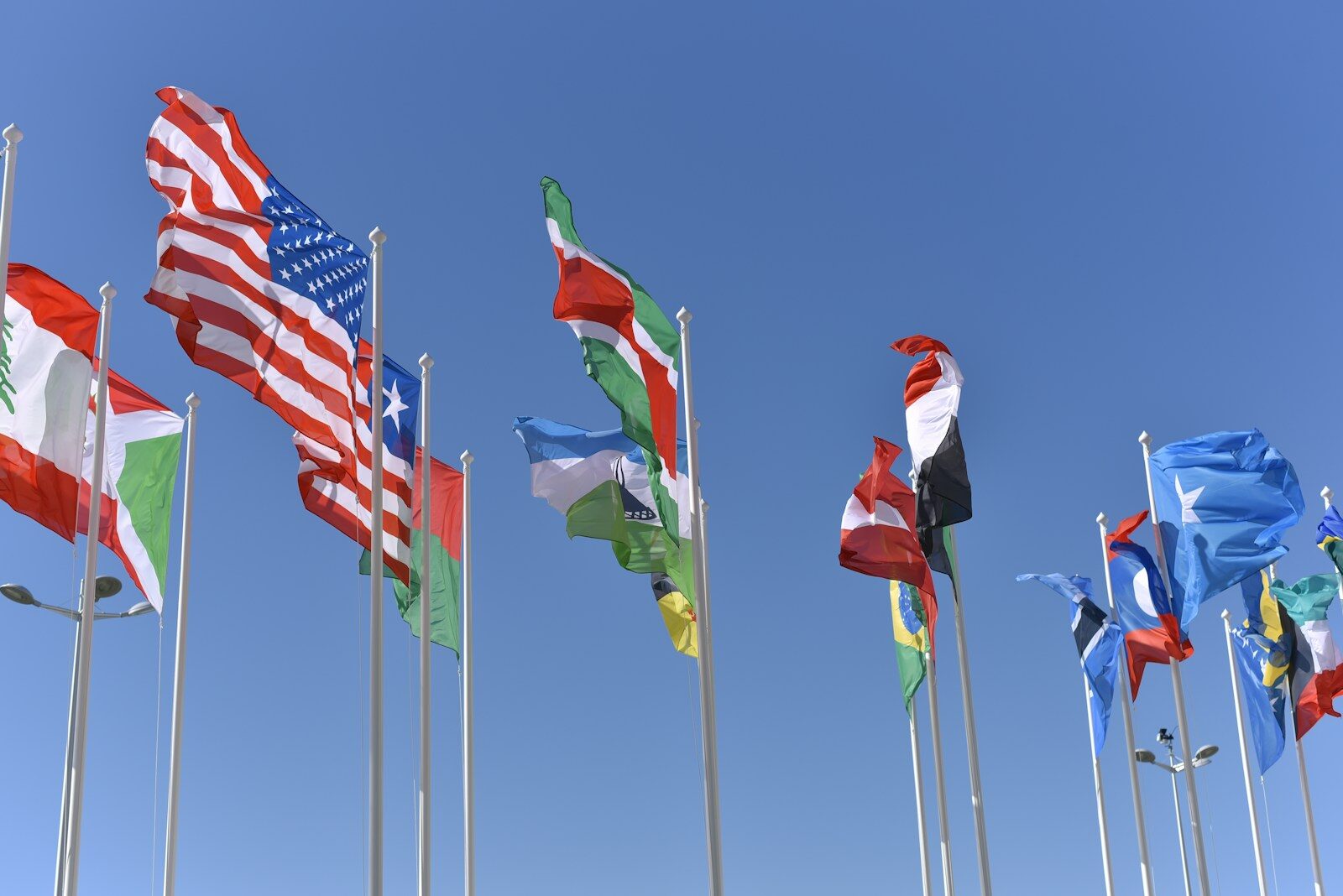
The world of online gambling exists in a complex web of regulations that varies dramatically from one jurisdiction to another. While some countries have embraced comprehensive licensing systems, others maintain outright bans, and many operate in murky gray zones where the law remains unclear or unenforced. Understanding this landscape is essential for operators, players, and policymakers alike.

The United States presents one of the most complicated regulatory environments for online gambling. Following the 2018 Supreme Court decision that struck down PASPA (the Professional and Amateur Sports Protection Act), individual states gained the power to legalize sports betting within their borders. This opened the floodgates for state-level regulation, but it also created a fragmented system.
As of now, over 30 states have legalized some form of sports betting, while fewer than ten have approved online casino gambling. States like New Jersey, Pennsylvania, and Michigan have mature, well-regulated markets with multiple licensed operators. Meanwhile, states like Utah and Hawaii maintain strict prohibitions against all forms of gambling.
The federal Wire Act of 1961 still casts a shadow over the industry, though its interpretation has evolved. Initially designed to combat organized crime, the law’s application to modern online gambling remains contested. The Department of Justice has flip-flopped on whether the Wire Act applies only to sports betting or to all forms of online gambling, creating uncertainty for operators.
What makes the US situation particularly complex is the lack of federal framework. A player in New Jersey can legally access dozens of online casinos, while their neighbor across the river in Pennsylvania accesses a completely different set of platforms. Meanwhile, residents in states without legal options often turn to offshore sites operating in legal gray zones.

The United Kingdom stands as perhaps the world’s best example of comprehensive online gambling regulation. Under the Gambling Act 2005 and subsequent amendments, any operator wishing to serve UK customers must obtain a license from the UK Gambling Commission (UKGC), regardless of where they’re based.
This “point of consumption” approach means that even operators headquartered in Gibraltar, Malta, or elsewhere must comply with British standards for consumer protection, responsible gambling measures, and advertising restrictions. The UKGC has earned a reputation as one of the strictest regulators globally, regularly fining or revoking licenses from operators who fail to meet their obligations.
Recent years have seen the UK tighten regulations further. The country banned gambling with credit cards in 2020, implemented strict affordability checks, and introduced significant restrictions on advertising, including a voluntary ban on gambling ads during sports broadcasts before the watershed hour. These measures reflect growing concerns about problem gambling and the industry’s social responsibility.
For players, the UK system provides clarity and protection. They know that licensed sites must segregate customer funds, offer self-exclusion tools, and submit to regular audits. For operators, while the regulatory burden is heavy, the market’s size and sophistication make compliance worthwhile.
Canada’s approach to online gambling reflects its federal structure, with provinces holding primary jurisdiction over gambling regulation within their borders. This has led to a mixed landscape where some provinces operate their own online gambling platforms while others maintain more restrictive approaches.
Ontario made history in April 2022 by launching a regulated private market for online gambling, allowing international operators to obtain licenses and serve residents legally. This marked a significant shift from the previous model where provincial lottery corporations held monopolies. British Columbia, Quebec, and Atlantic provinces operate their own platforms, though their monopolistic approach has faced criticism.
However, Canada’s gray market remains substantial. For years, Canadians have accessed offshore gambling sites without significant legal consequences. The Criminal Code prohibits operating an unlicensed gambling business in Canada, but it doesn’t explicitly criminalize players who use offshore sites. This ambiguity has allowed a thriving gray market to persist alongside legal provincial offerings.
The situation has created an interesting dynamic: provincial governments want to capture revenue through their own platforms or regulated private markets, but enforcement against offshore operators proves challenging. Many international operators continue serving Canadian customers from jurisdictions like Malta or Curaçao, operating in a space that’s not quite legal but not actively prosecuted.
Australia’s relationship with online gambling is defined by the Interactive Gambling Act 2001 (IGA), which created an unusual situation: Australians are among the world’s most enthusiastic gamblers per capita, yet many forms of online gambling remain prohibited.
The IGA prohibits operators from providing online casino games, poker, or in-play sports betting to Australian residents. However, offshore operators have long served the Australian market, and individual players face no penalties for using these sites. This creates a paradox where the activity is illegal to provide but not illegal to consume.
Sports betting remains the legal exception, with licensed bookmakers allowed to offer online and mobile betting on racing and sports events. However, they cannot offer in-play betting online—only over the phone, a restriction that seems increasingly anachronistic in the digital age.
Australia has also become a global leader in gambling advertising restrictions, particularly during sports broadcasts. The country has implemented strict rules limiting when and how gambling can be advertised, reflecting public concern about the normalization of betting and its impact on young people.
Enforcement remains a significant challenge. While Australia blocks some offshore gambling websites and has successfully pressured some international operators to exit the market, determined players can still access hundreds of unlicensed sites. The government collects no tax revenue from these operations, and players lack regulatory protections.
The European Union presents a fascinating case study in balancing national sovereignty with single-market principles. While EU law establishes freedom of services across member states, gambling has largely remained under national jurisdiction, with the European Court of Justice consistently allowing countries to maintain restrictions for public policy reasons.
This has resulted in dramatically different approaches across the continent. Malta and Gibraltar have positioned themselves as licensing hubs, with light-touch regulation attracting hundreds of international operators. Their licenses are technically valid across the EU, but most member states require additional national licenses for operators to serve their markets legally.
Countries like Germany spent years in regulatory limbo before finally implementing a federal licensing system in 2021. The new framework allows online casino games and poker but with significant restrictions: a €1,000 monthly deposit limit across all operators, a €1 maximum bet on slots, and a ban on live dealer games. These measures have proven controversial, with critics arguing they push players toward unlicensed sites.
France, Spain, and Italy have established their own regulated markets with varying degrees of success. Each requires local licensing and imposes their own tax structures and product restrictions. Meanwhile, countries like Poland and the Netherlands have taken aggressive stances against unlicensed operators, implementing website blocking and payment processing restrictions.
The Nordic countries present another model. Sweden opened its market to licensed operators in 2019, while Norway and Finland maintain state monopolies but struggle with enforcement against offshore operators. Denmark has had a regulated market since 2012, demonstrating that mature regulatory frameworks can coexist with consumer protection.
Perhaps the most intriguing aspect of online gambling regulation is the vast gray zone where millions of people gamble on sites operating without clear legal authorization. These gray markets exist for several reasons: explicit legal ambiguity, lack of enforcement, jurisdictional challenges, and the internet’s borderless nature.
Offshore operators based in jurisdictions like Curaçao, Costa Rica, or various Caribbean islands serve customers worldwide, often operating in markets where online gambling isn’t explicitly legalized or where enforcement proves impractical. These sites exist in a netherworld—not technically legal in many markets they serve, but not effectively stopped either.
Cryptocurrency has added another layer of complexity. Bitcoin casinos and other crypto gambling platforms operate with even greater regulatory ambiguity, leveraging the decentralized nature of blockchain technology. Some argue these platforms exist outside traditional regulatory frameworks entirely, while regulators worldwide grapple with how to address them.
The gray market poses genuine risks for consumers. Without regulatory oversight, players have limited recourse if operators refuse to pay winnings, manipulate games, or simply disappear. No independent testing ensures game fairness, and responsible gambling tools may be minimal or non-existent. Yet millions continue using these sites, drawn by better bonuses, more game variety, or simply availability in markets without legal options.
For governments, gray markets represent lost tax revenue and reduced ability to protect consumers or address problem gambling. This reality has pushed many jurisdictions toward regulation rather than prohibition, recognizing that licensed markets at least bring gambling activity into the light where it can be monitored and taxed.
The global trend unmistakably points toward regulation over prohibition. Even jurisdictions that once maintained strict bans are reconsidering as they recognize the impossibility of truly blocking online gambling in the internet age. Brazil is expected to launch its regulated market soon, while several US states continue adding online gambling options.
Technology continues to challenge regulators. The rise of skill-based gaming, the blurring lines between gaming and gambling, social casino apps, and emerging technologies like virtual reality gambling all push the boundaries of existing regulatory frameworks. Regulators must balance innovation with protection, a difficult tightrope to walk.
Responsible gambling has moved from a peripheral concern to a central regulatory requirement in most modern frameworks. Expect to see stricter affordability checks, enhanced self-exclusion tools, mandatory safer gambling messaging, and potentially AI-driven intervention systems to identify problem gambling patterns.
The tension between national sovereignty and the borderless internet remains unresolved. While some call for international regulatory cooperation or harmonization, gambling remains deeply tied to cultural attitudes, moral values, and national revenue needs. A truly global regulatory framework seems unlikely, meaning patchwork systems will likely persist.
For anyone interested in online gambling—whether as a player, operator, or simply an informed citizen—understanding your local legal landscape is essential. The legality of online gambling isn’t a simple yes or no question but rather a spectrum ranging from fully regulated markets with licensed operators to complete prohibitions with active enforcement.
Before engaging with any online gambling site, research whether it holds a valid license in your jurisdiction. Look for regulatory seals from recognized authorities like the UKGC, Malta Gaming Authority, or state regulators in the US. Check whether your government maintains a whitelist of approved operators or a blacklist of prohibited ones.
Remember that legal doesn’t always mean safe, and illegal doesn’t always mean unenforced. The global online gambling landscape will continue evolving, shaped by technology, public attitudes, and the eternal tension between personal freedom and social protection. By understanding this complex landscape, you’re better equipped to navigate it safely and responsibly.
Gambling should always be entertainment. Set a budget before you play and never gamble with money you can’t afford to lose. For free, confidential support, visit BeGambleAware.org